
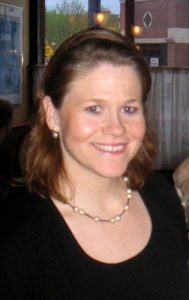
 Dr. Heather Macdonald joins our clinical staff this spring, bringing with her a wealth of experience and depth of training. We are particularly excited to welcome her to our psychological testing and assessment program. Heather’s professional background includes working with young children, adolescents and adults in a variety of settings with a wide range of identified concerns. A licensed clinical psychologist since 2010, she has experience working with neurodevelopmental challenges, specific learning differences, complex developmental trauma, ADHD (in adults and children), and mood issues.
Working with Clergy. Heather also has a great deal of experience working with clergy around issues of leadership, mid-career questions, as well as pre-ordination evaluations. In her work with clergy she is careful to include perspectives on adult development and how this can impact behavior and functioning. In such work with spiritual leaders, she uses standardized and objective test batteries but focuses largely on the complicated intersections of personality structure, leadership style, spiritual calling, and social and psychological functioning.
Passionate about Assessment. Heather is committed to making the process of psychological evaluation deeply collaborative and therapeutic so that a person’s lived experience resonates with the results written in the final report. When viewed as a therapeutic intervention, assessment yields much more insightful results. The collaborative space of the assessment process necessarily includes multi-dimensional perspectives on identity and intersectionality.
She often asks, “Can psychological testing be a site of invitation, provocation, revelation, or promise? Can it be a space of apology, mourning, and forgiveness since the true suffering of the Other refuses to be put into language to begin with?”
Trained on Both Coasts. Prior to working at the Samaritan Center, Heather worked at the Danielsen Institute at Boston University and taught psychology at Lesley University in Cambridge, MA. She completed her MA degree in psychology at Seattle University and her doctorate at Pacific University in Forest Grove, Oregon. She sees clients at the Bellevue office and at the Samaritan main office in Seattle.
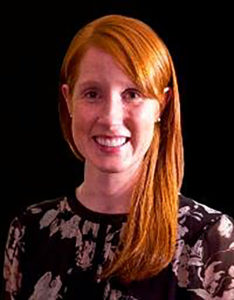 What would it be like for you to go 72 hours without alcohol? As part of Alcohol Awareness Month, the National Council on Addiction and Drug Dependence (NCADD) has invited all Americans to abstain from alcohol the first weekend in April (5th-7th). Taking a break from alcohol can be a great way to explore what role it plays in your life, even if you would not identify as someone who struggles with alcohol use.
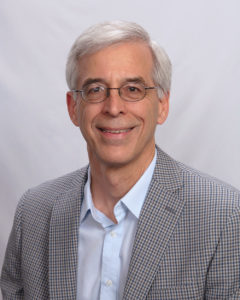 Raising questions about the value of self-esteem can seem like modern blasphemy. So let me say up front that I am for it: Self-esteem is a positive attribute! Who has not witnessed the pain of shattered self-esteem in a friend who has lost love or a co-worker whose career has been derailed?
 Once upon a time, when one of my sons was an exchange student in Austria, this happened: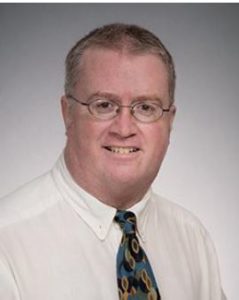
 On April 10, 2018, Samaritan Center of Puget Sound hosted a festive gathering to celebrate the installation of seven new cisterns at the main office on Ravenna Blvd. This project was a cooperative effort involving Samaritan Center, RainDog Design (contractor), and RainWise (initiator and funder). RainWise is a joint program of Seattle Public Utilities and King County’s Wastewater Treatment Division.